Udon
Japanese cuisine has three main families of noodles: soba, somen, and udon. The latter are wheat noodles. As such, they cannot escape the controversy over the birthplace of "pasta." Did they come from China, just like Japanese rice and ramen?
The Legend of Udon
An ancient legend tells that it was the builder monk Kukai who brought them back from the Silk Road, but one thing is certain: the Japanese were the first to serve these noodles in a hot or cold broth garnished with toppings as numerous as they are diverse.
"Tanuki udon" in dashi broth with tempura flakes, "Ise udon" marinated in dark soy sauce, "Kamaage udon" in soy and dashi "tsuyu" broth served hot, "Kitsune udon" with slices of fried tofu... These versatile wheat noodles can be adapted at will, for all tastes and all seasons.
A Thousand and One Noodles
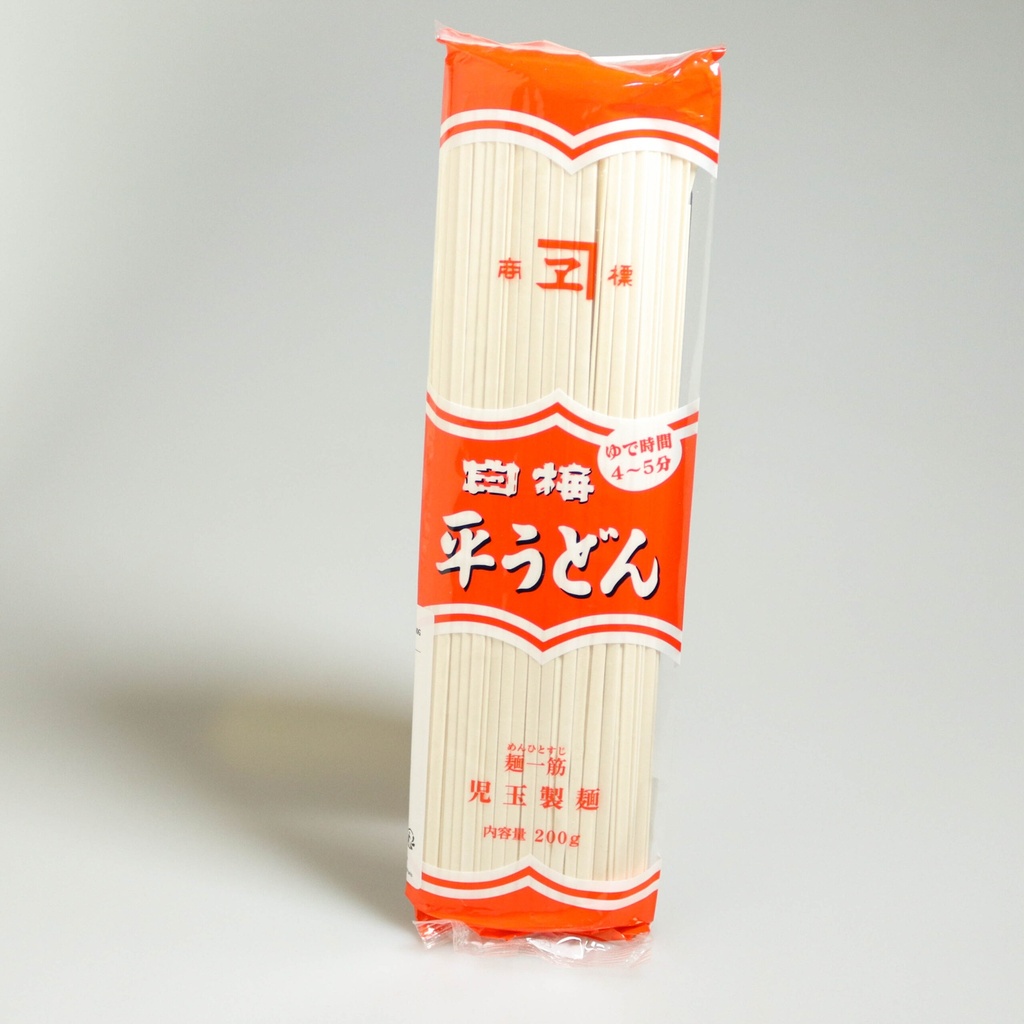
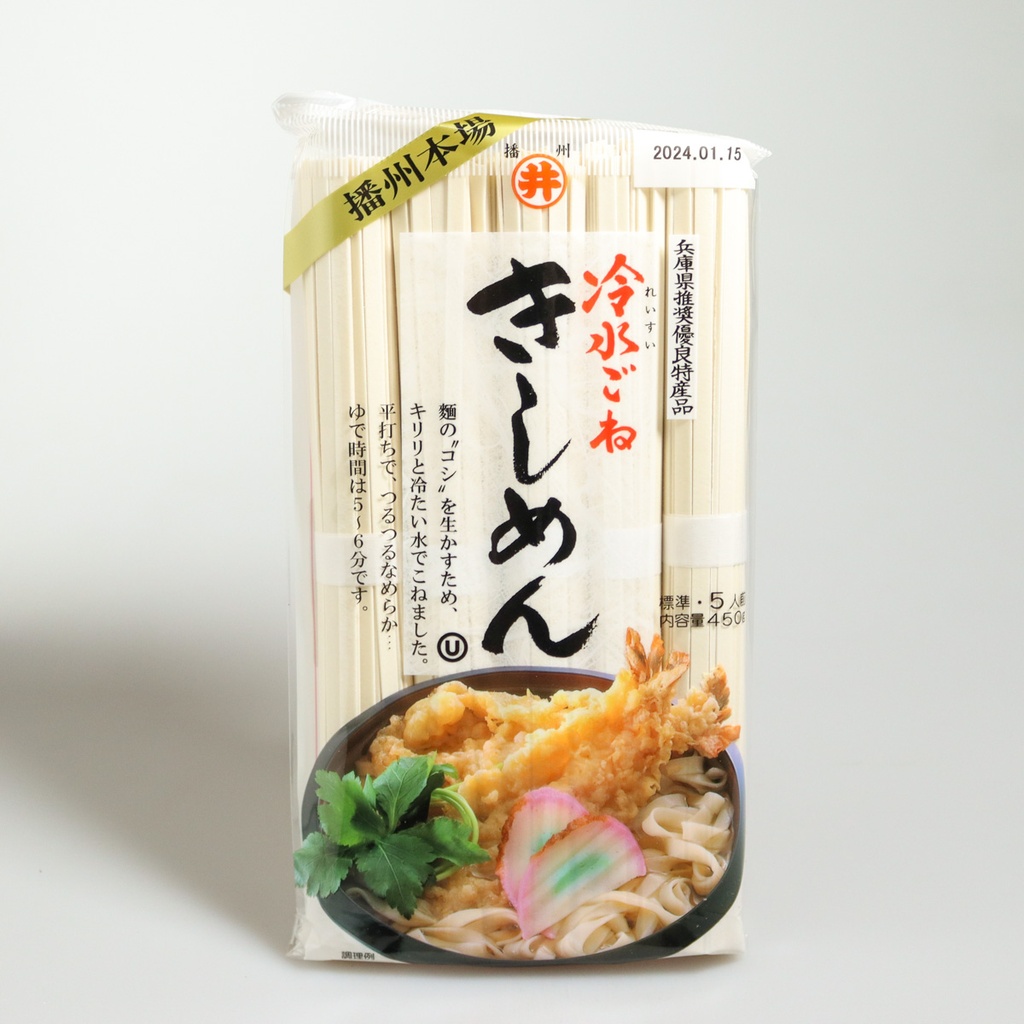
However, like Italian pasta, they can also be shaped in a thousand different ways. Some are quite cute: the "Mimi" look like little ears and the "Kishimen" are flat like tagliatelle. Others are more extreme: the "Himokawa" from Gunma Prefecture can reach 15 centimeters in width, for example.
To be completely transparent with you, making your own udon is quite simple. You need soft wheat flour, salt, a bit of water, and a bit of elbow grease. However, udon made this way will never taste like udon made on the archipelago.
The land of noodles
Why? Because Japan enjoys the softest waters of all developed countries, thanks to the filtering action of its volcanic ash subsoils. Due to their extremely low sodium and iron levels, these waters do not trample on the delicate flavor of wheat. They are also what allows for brewing sake and infusing dashi with unparalleled elegance.
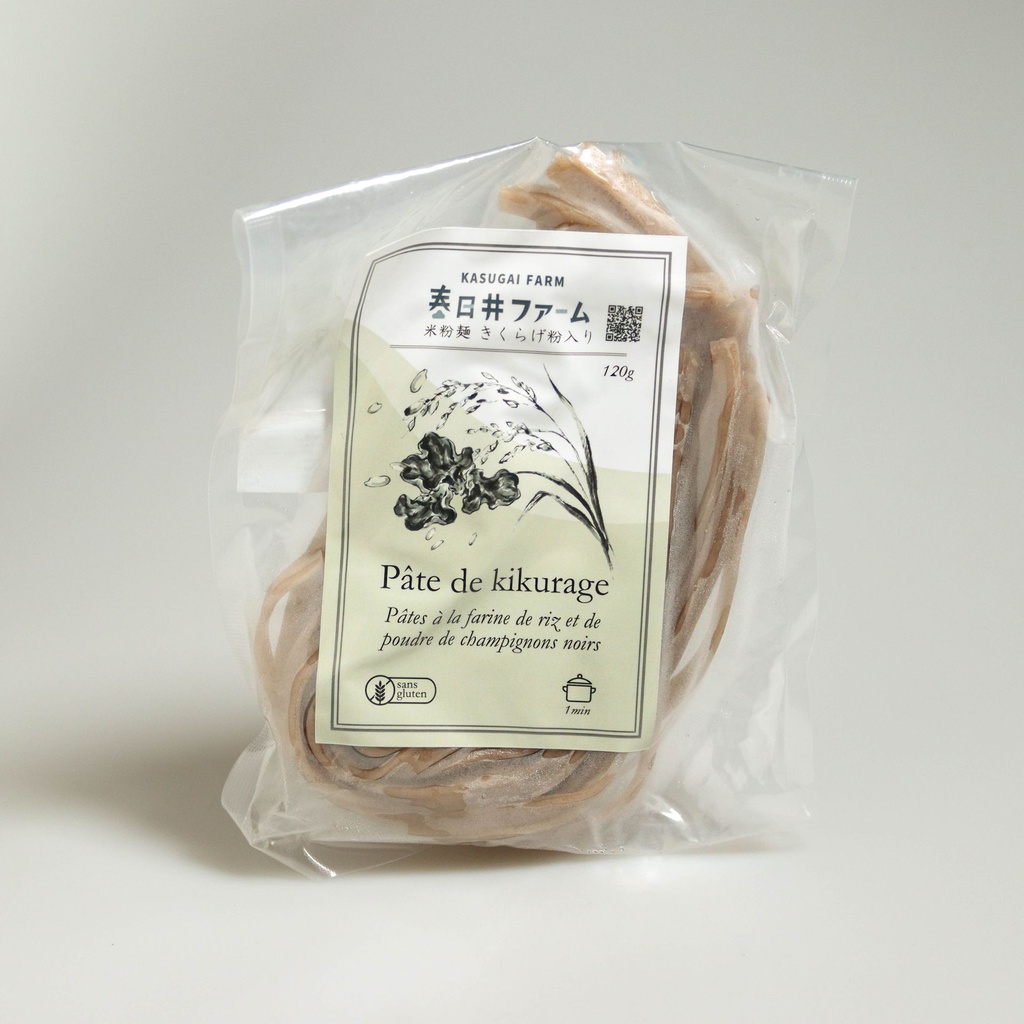
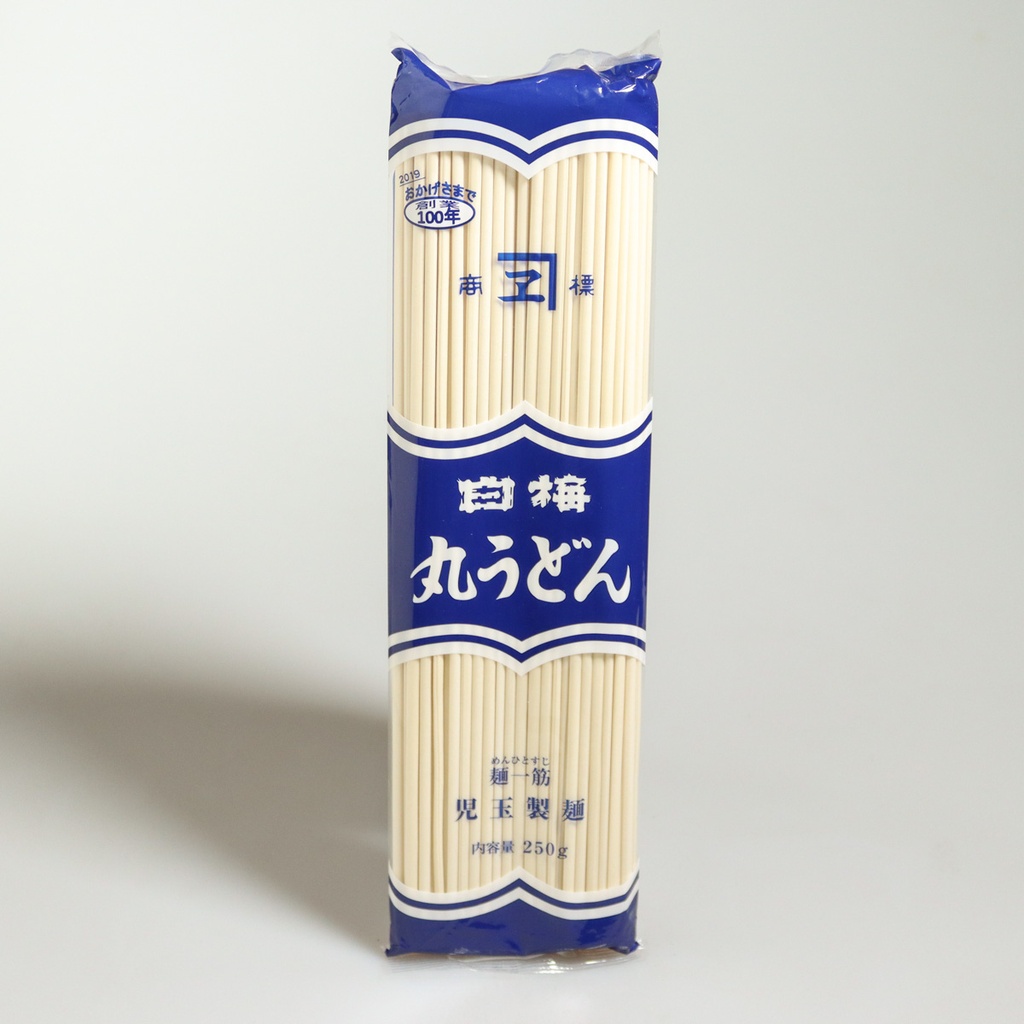
4.50 €
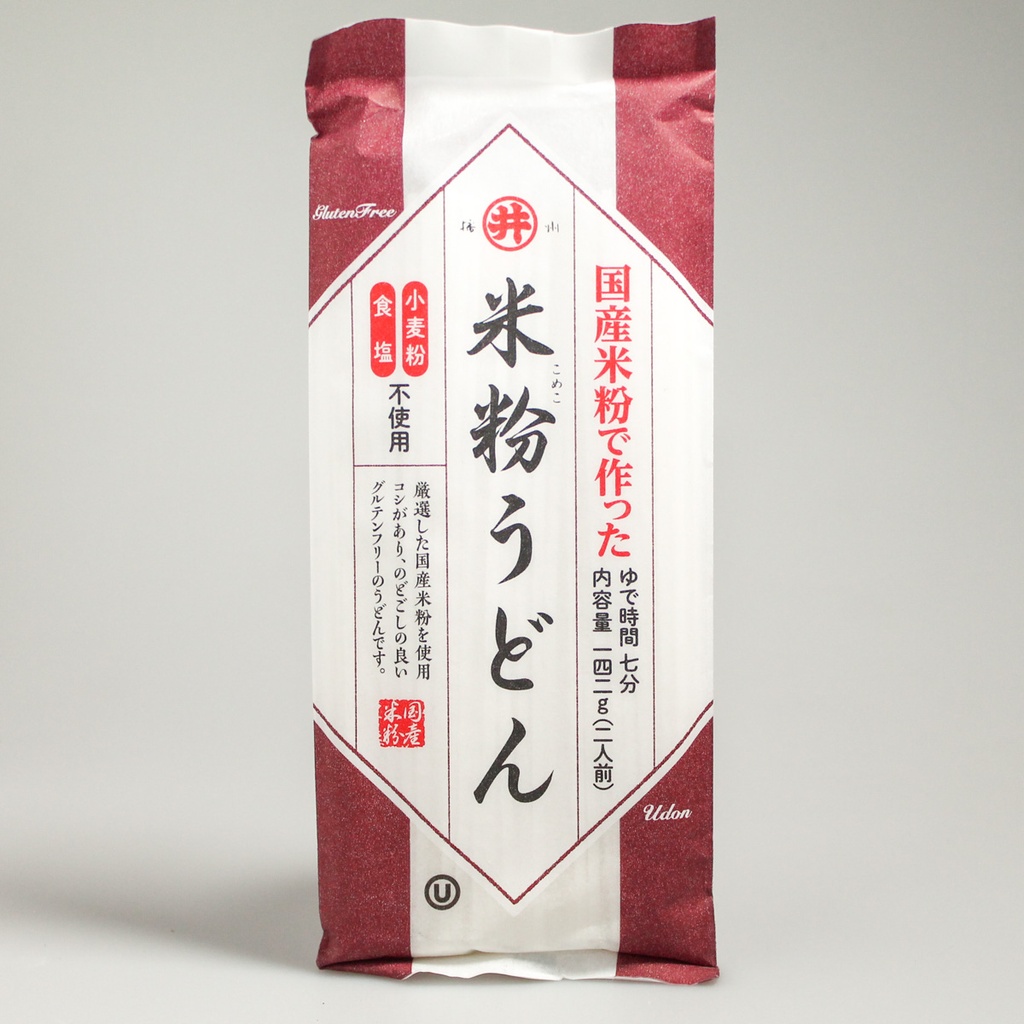
8.00 €
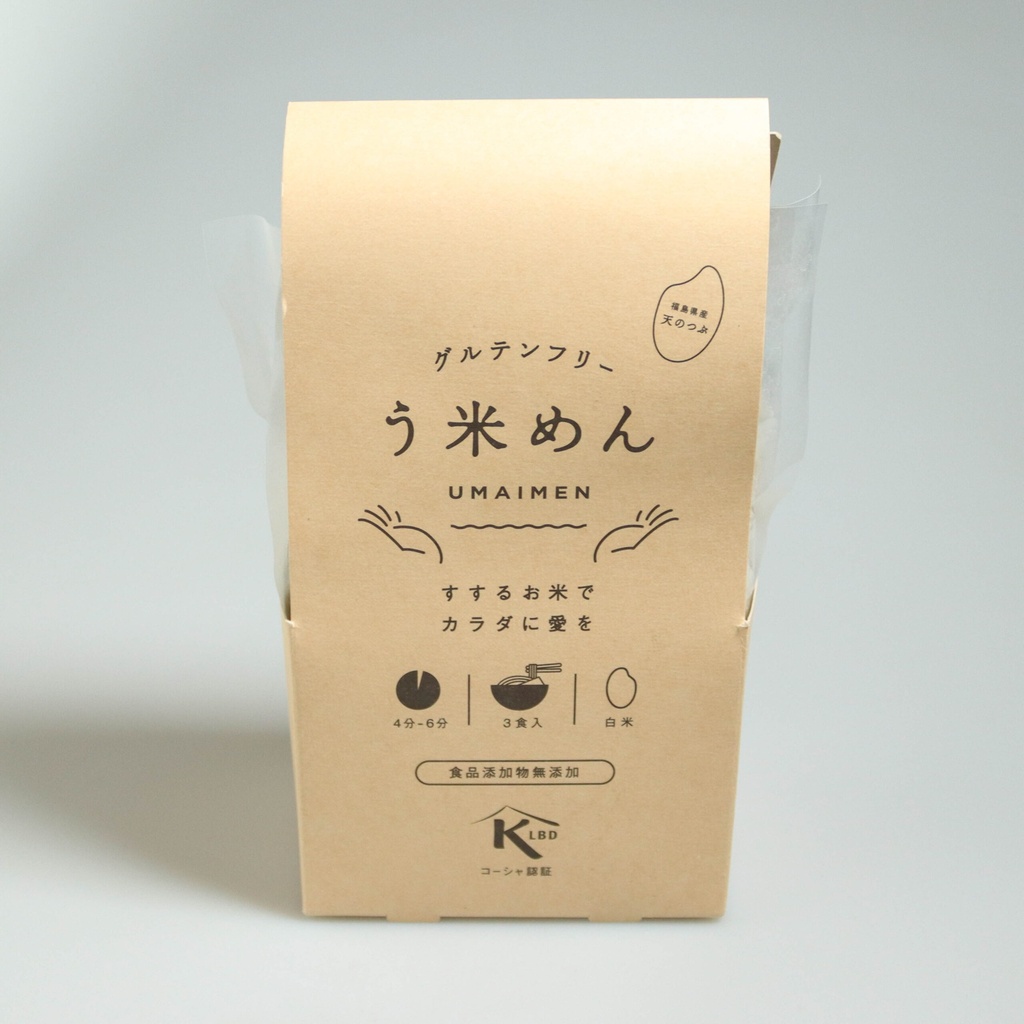
8.50 €
8.50 €
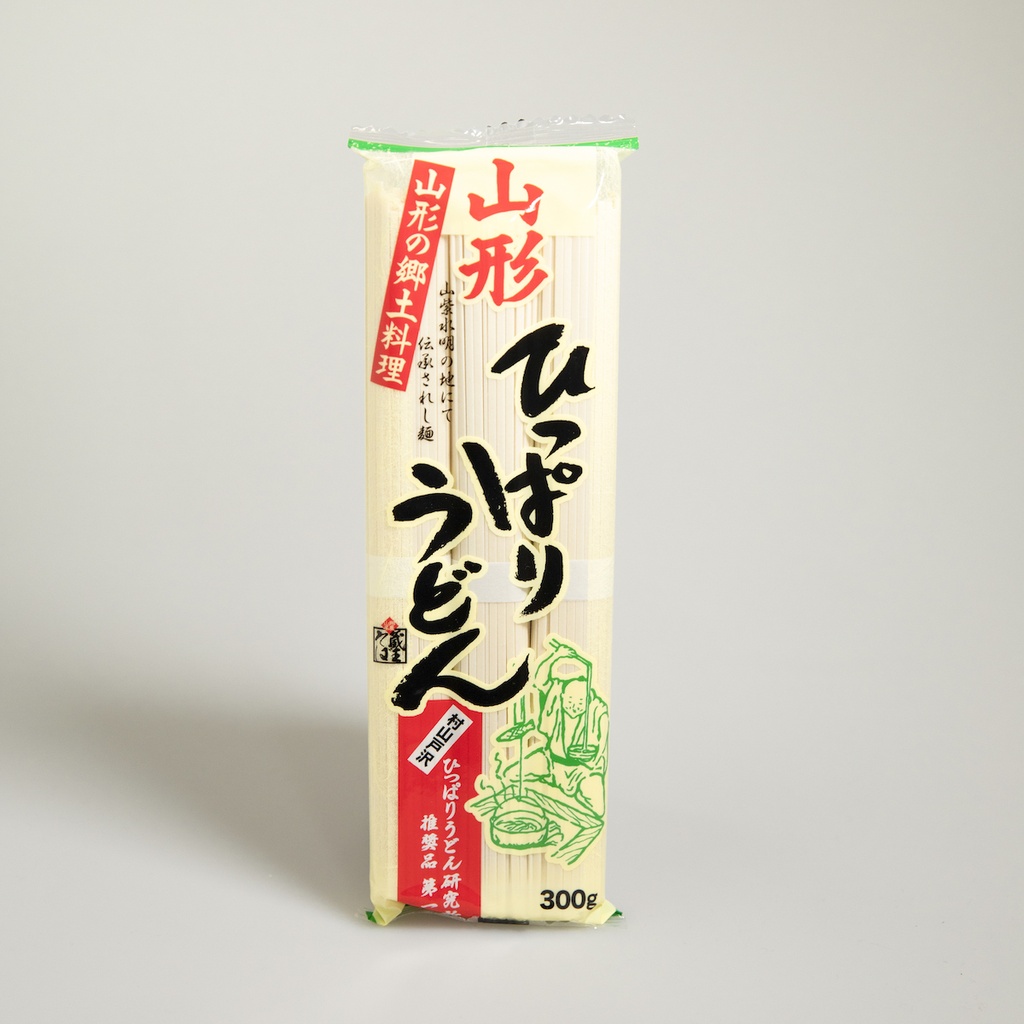
5.50 €
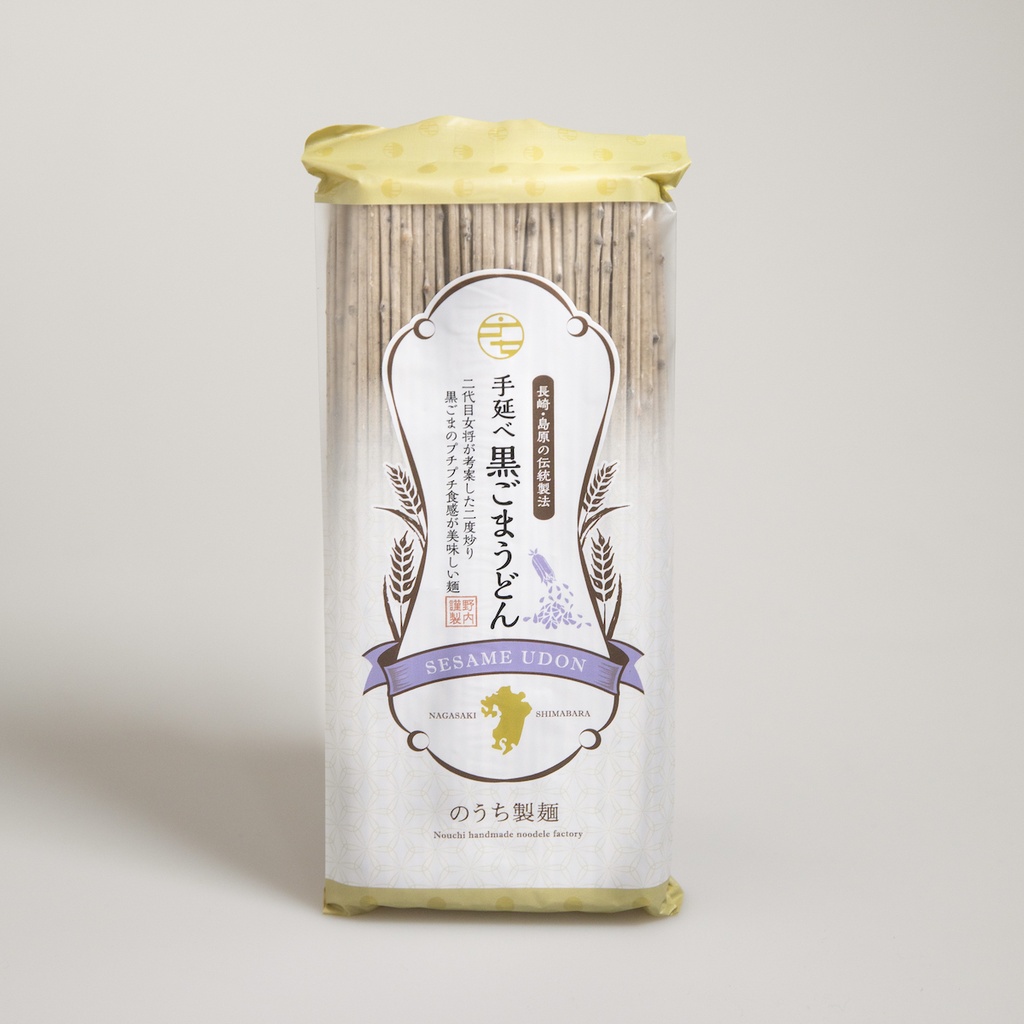
6.90 €
