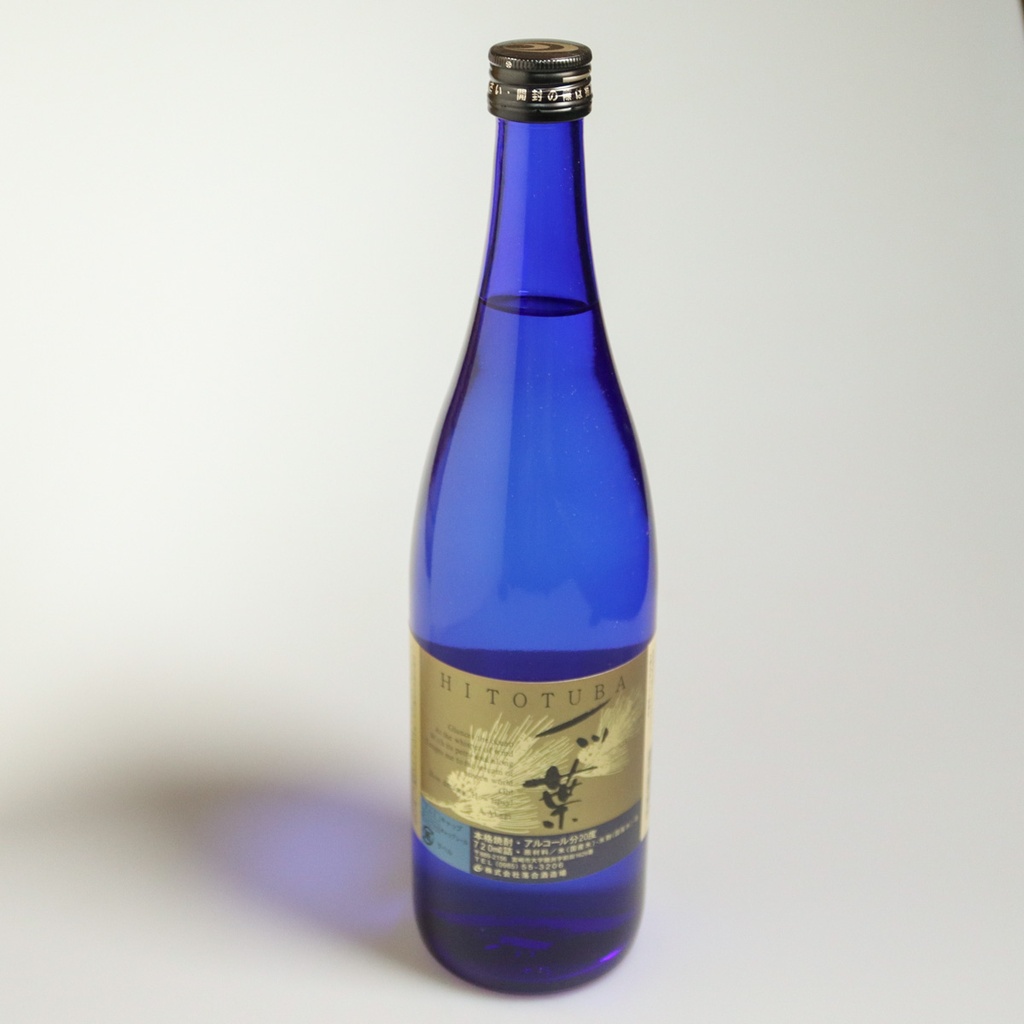
Shochu
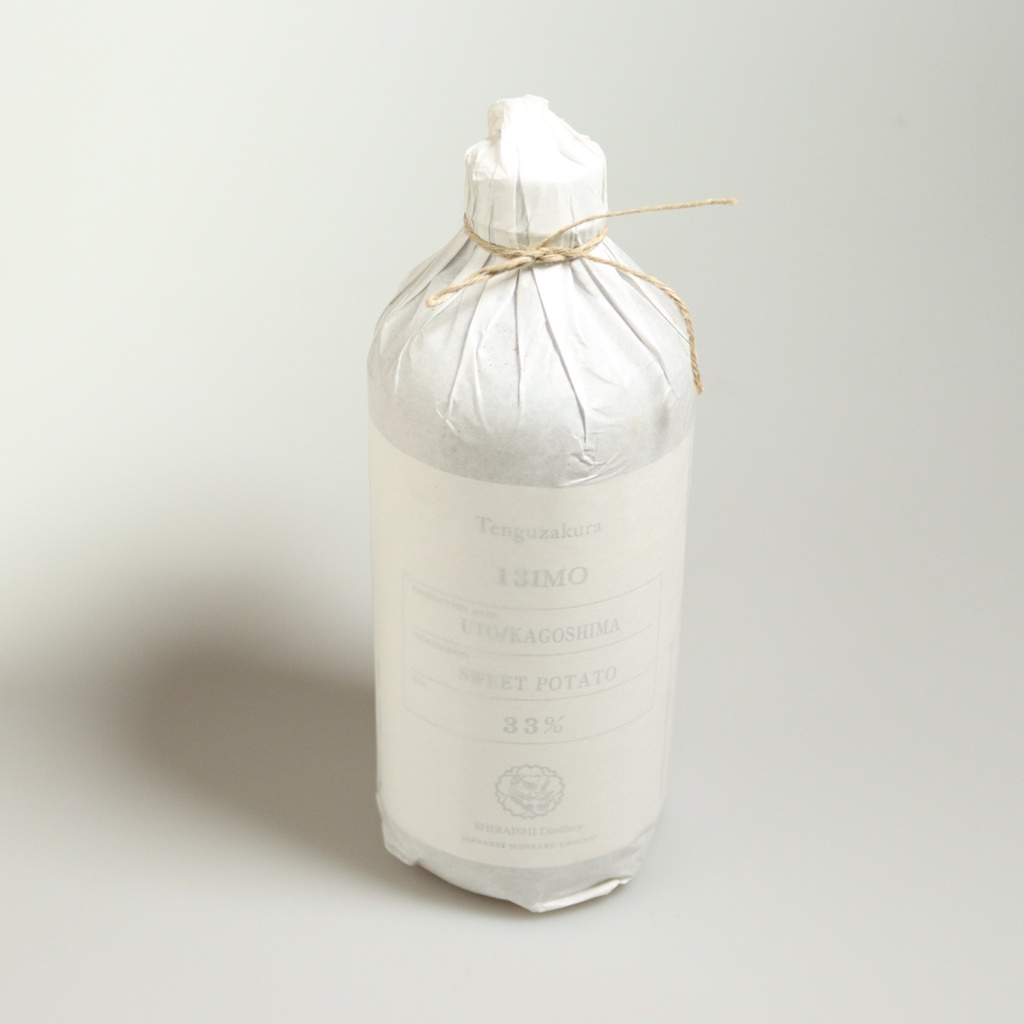
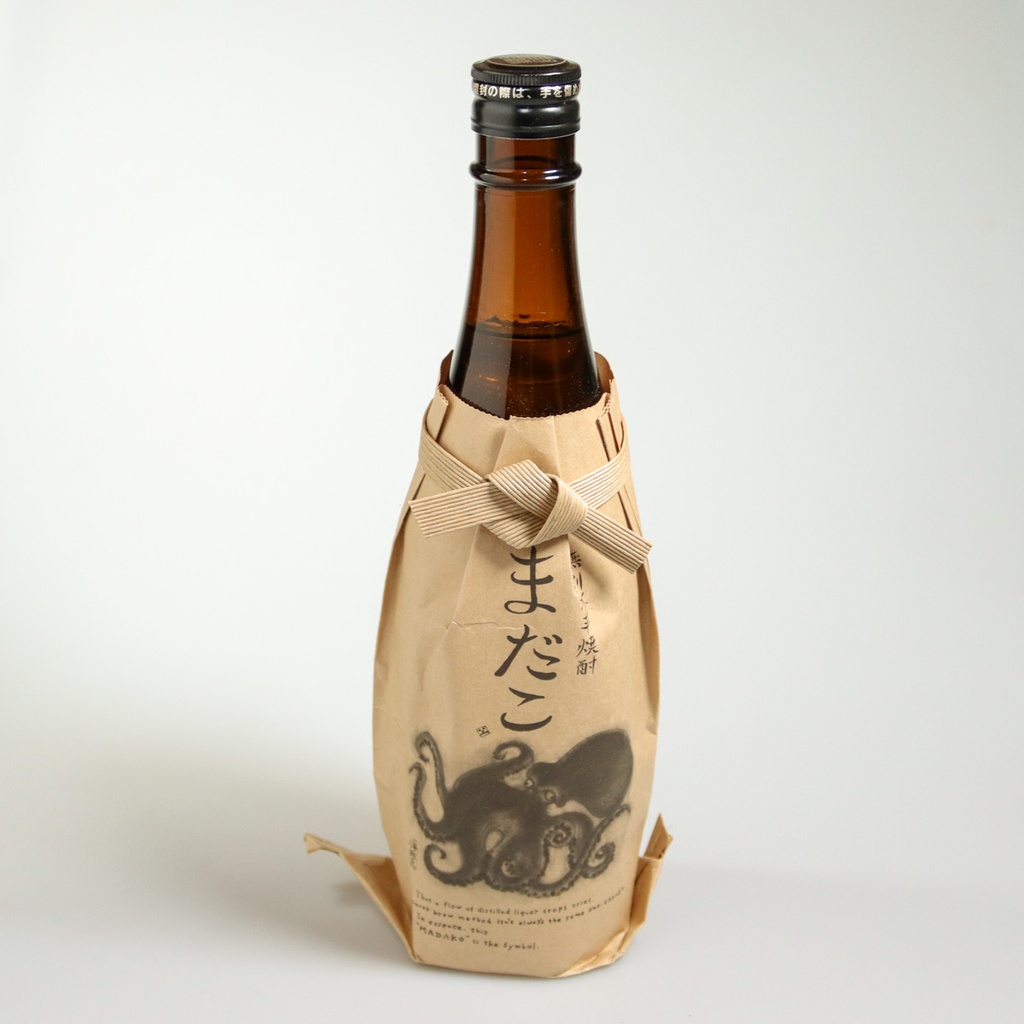
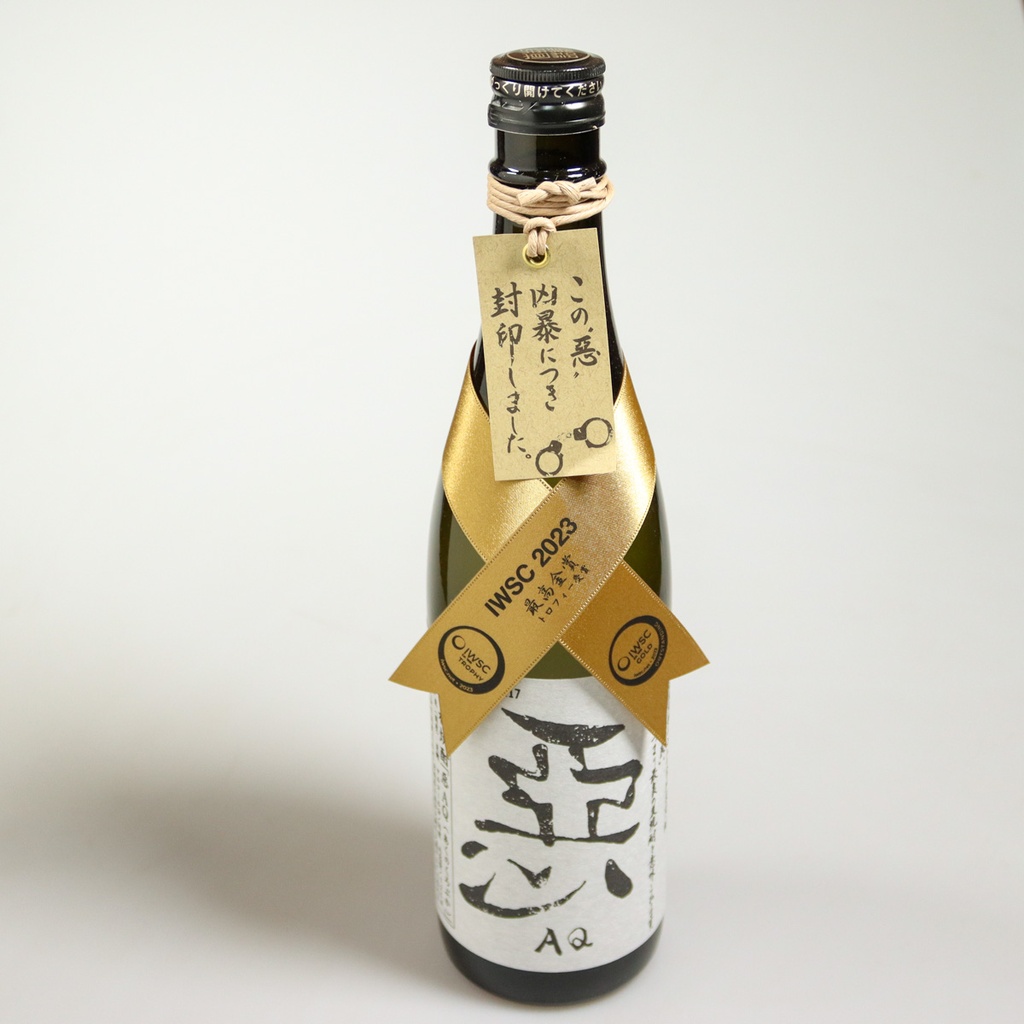
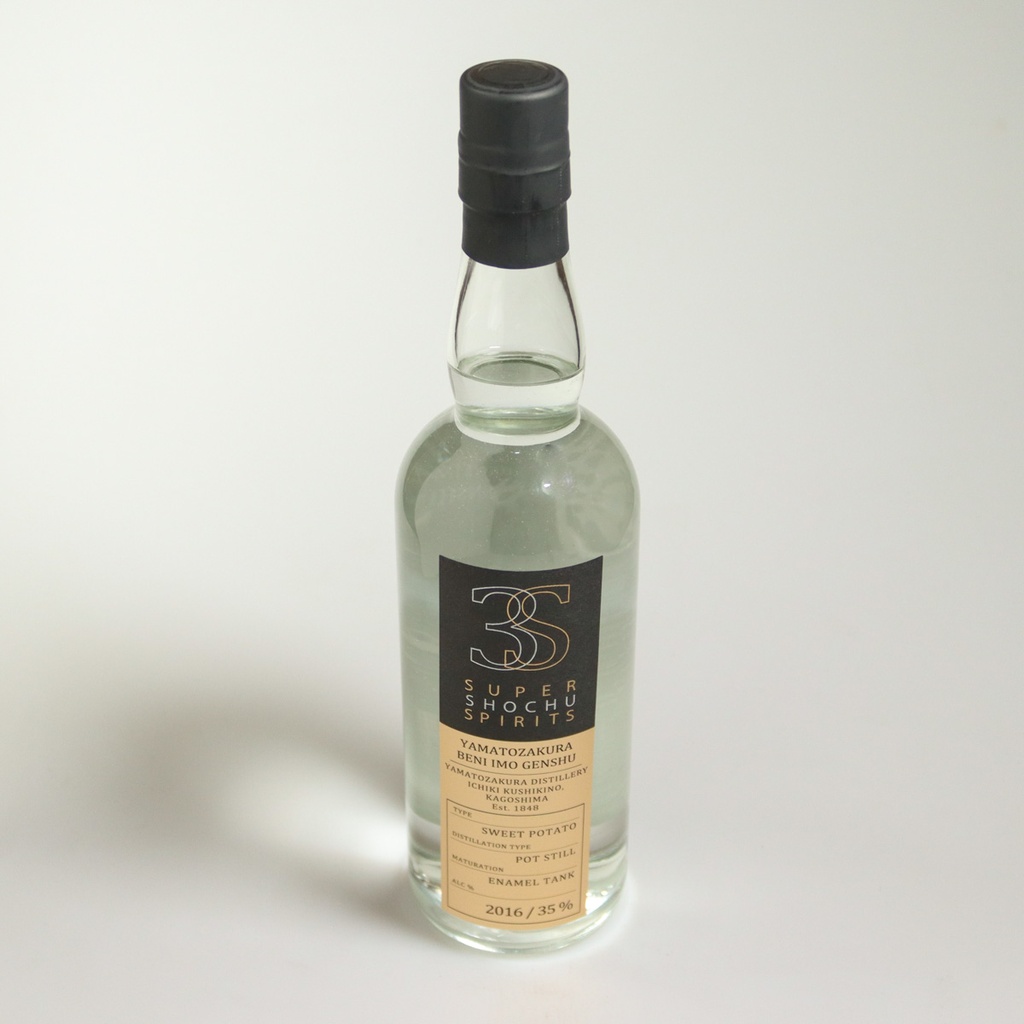
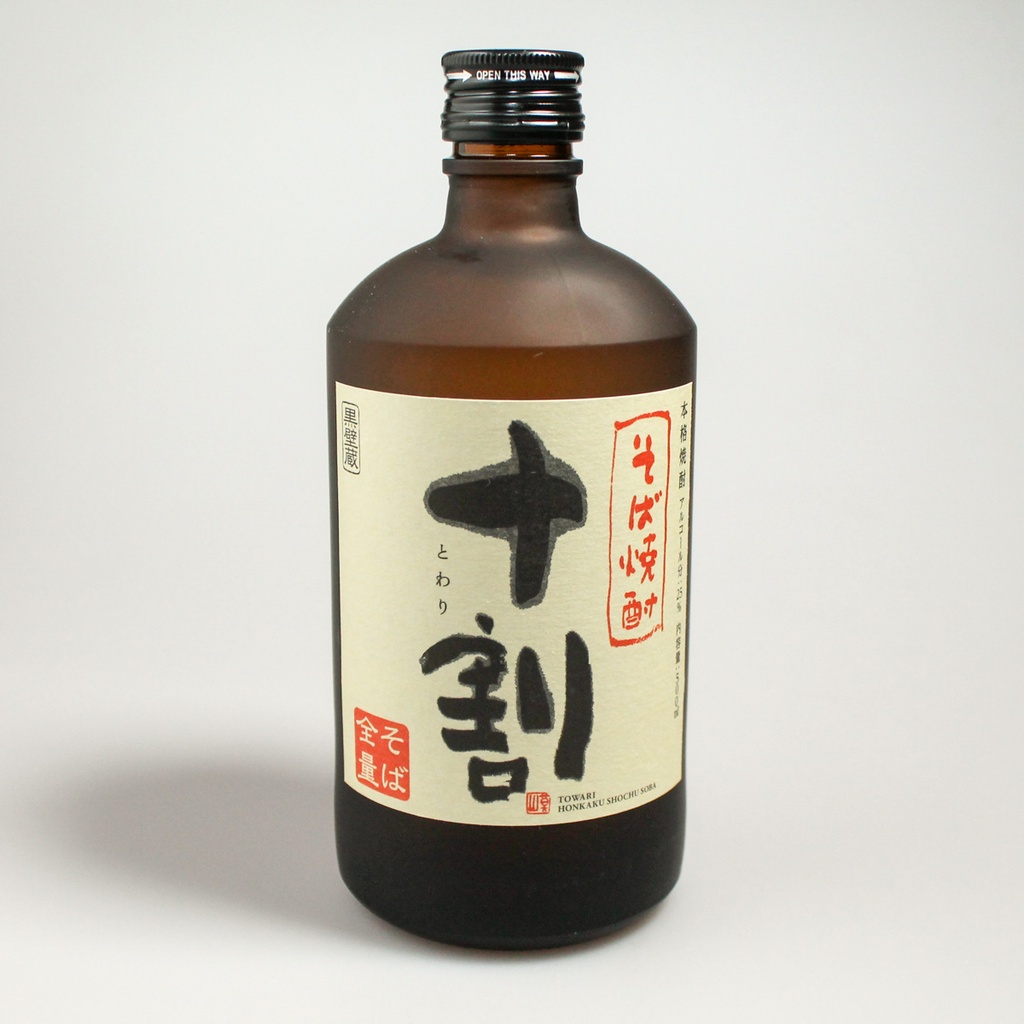
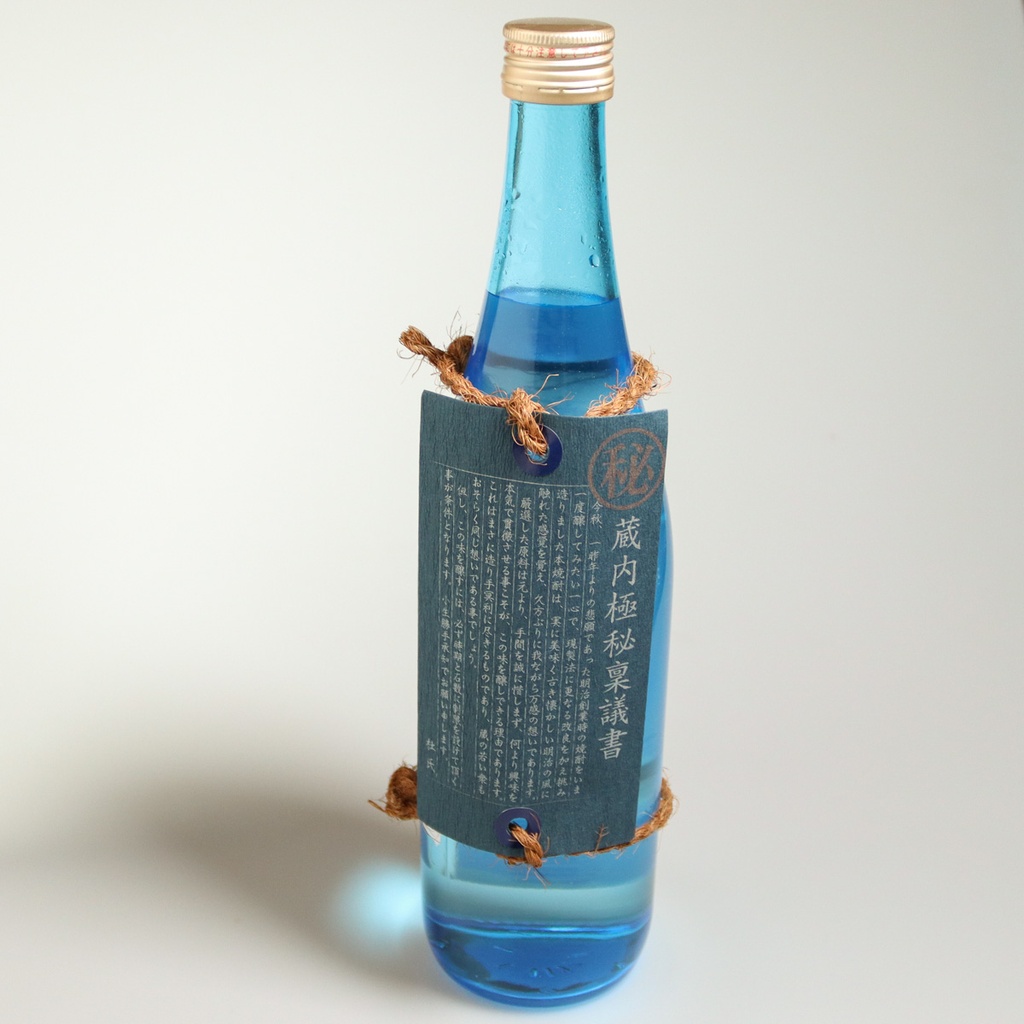
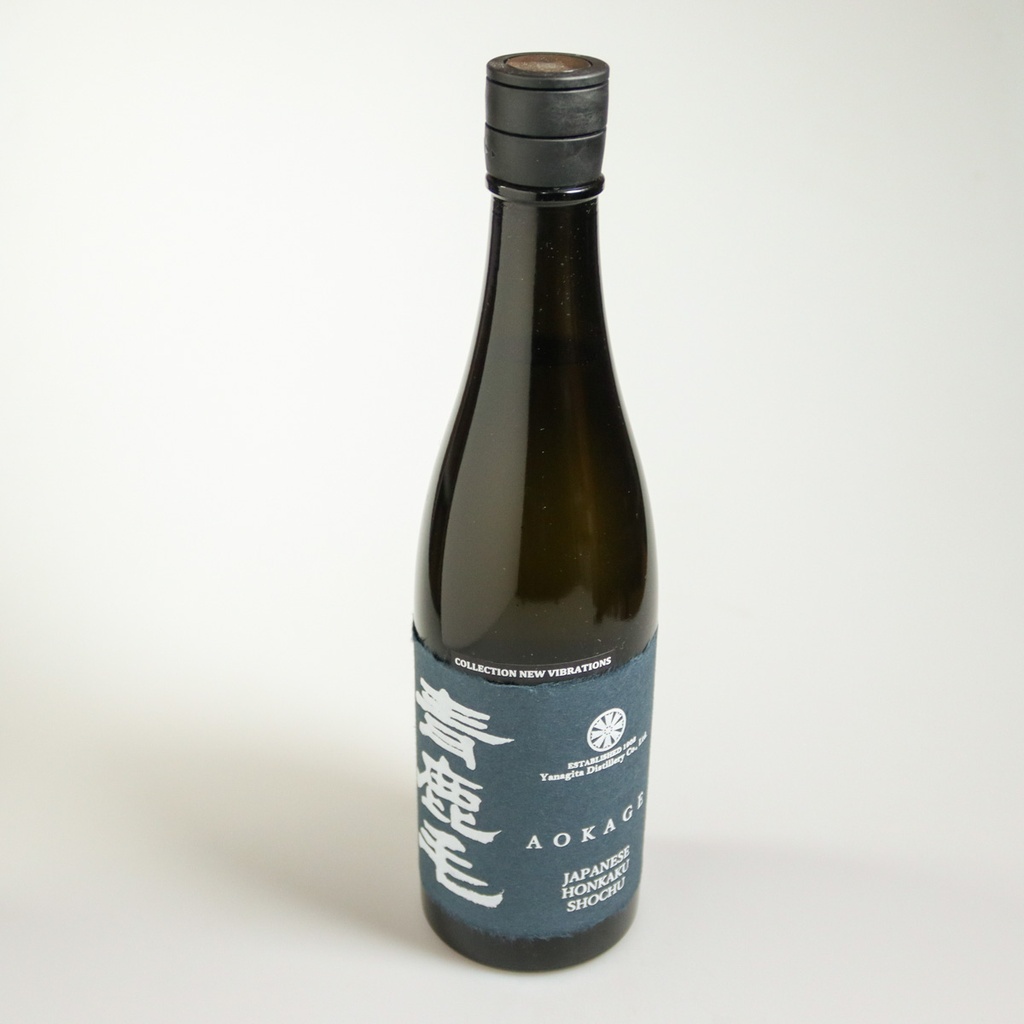
Shochu is a noble and ancient spirit that we never tire of. Barley, rice, or sweet potato, discover its depth here.
The elder of Japanese spirits
Shochu is ancient and mysterious. Some say that this spirit made from grains or plants was invented in Kagoshima, all the way south in Japan, around 1650 thanks to techniques from Persia. Others argue that it is an even older invention from the vanished kingdom of Ryukyu, the archipelago that includes the famous island of Okinawa. One thing is certain: with its four centuries of history, it has many stories to tell and sensations to convey.
It all starts with fermentation. Rice, barley, buckwheat, or sweet potato, the main ingredients of shochu, are subjected to the magic of "koji." This noble mold, essential for making sake and miso paste (among other ultra-Japanese products), breaks down their starch into sugar. Just like during sake brewing, this sugar is then transformed into alcohol by yeast. Then comes the moment of distillation.
Towards nature
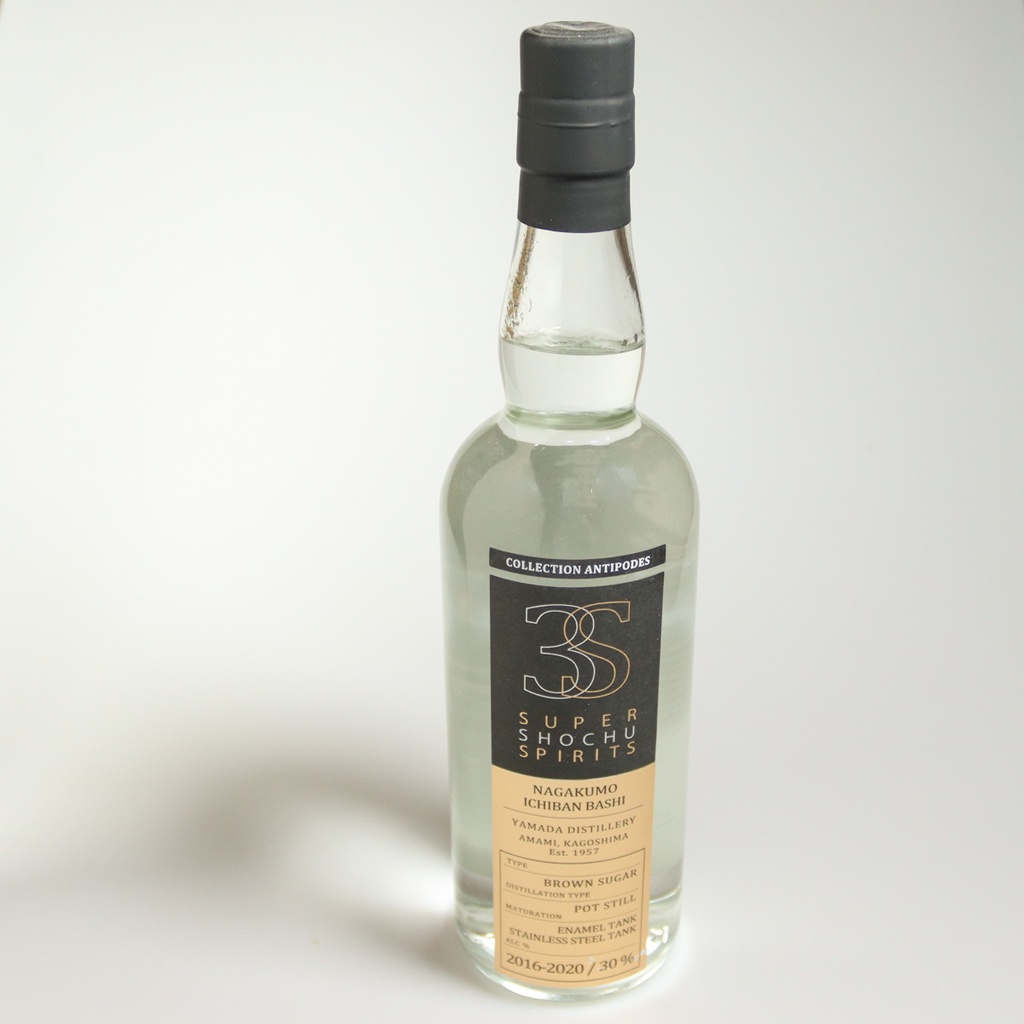
Although some shochu is made from continuous distillation, the most noble representatives are distilled only once in the same "pot stills" as whiskies. They are then called "Honkaku shochu." Many are then aged, sometimes in buried amphorae reminiscent of Georgian wine. This maturation phase can last ten years or more. It allows the sweetness and elegance of shochu to be fully revealed.
Unlike European "noble" spirits, such as cognac or whisky, it prioritizes elegance over aromatic complexity. Carried by a always silky texture thanks to koji, its flavors are bright and evident, even for a complete beginner.
You can feel the grain, the earth in which it grew, the water it nourished itself with. This quest for origins gives great depth to shochu. It may seem cliché, but shochu is an emotional alcohol, an alcohol that transports.
Hot or cold
Shochu can be enjoyed neat or on the rocks. However, like the great whisky purists, they are always quick to dilute it with ice water in summer and hot water in winter. This dilution, which may seem barbaric, actually reveals all the beauty of shochu. You are highly recommended to try it, but remember: the first time only happens once.
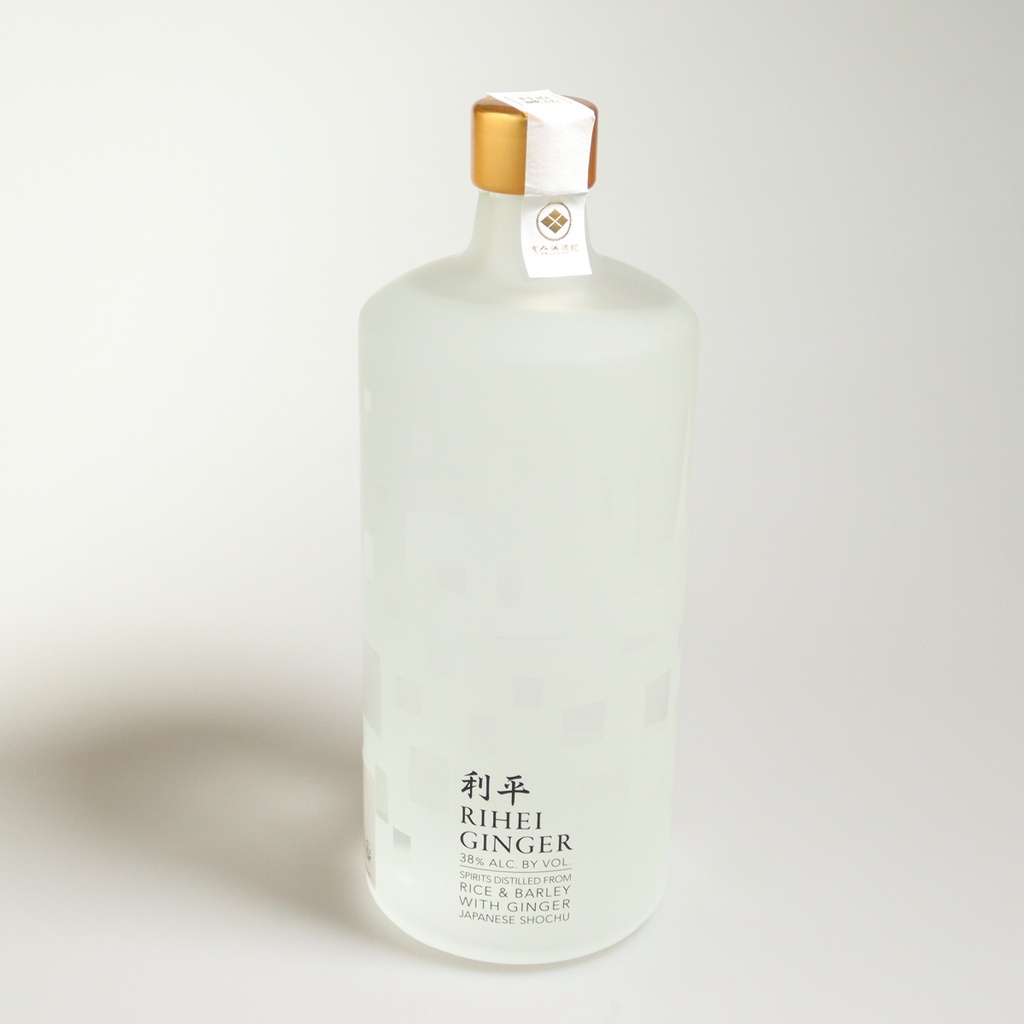
39.00 €
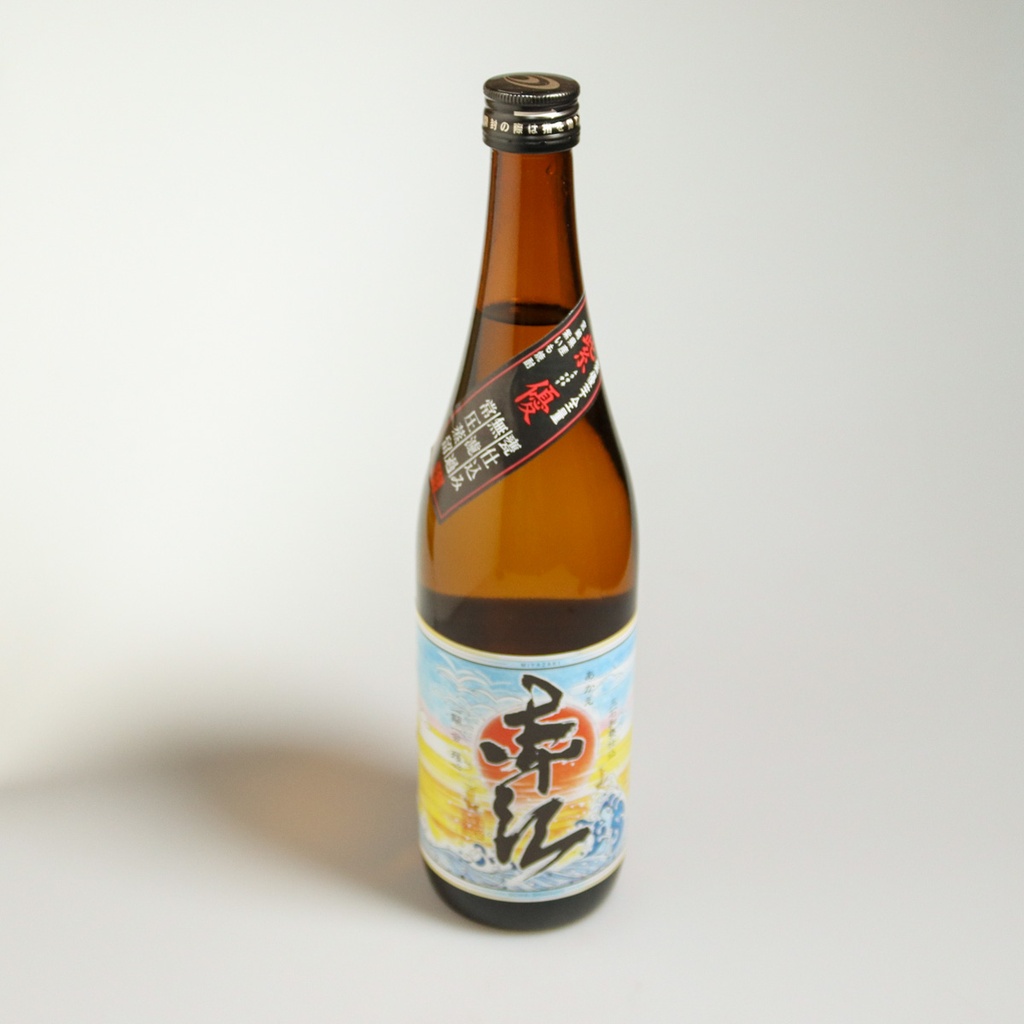
29.00 €
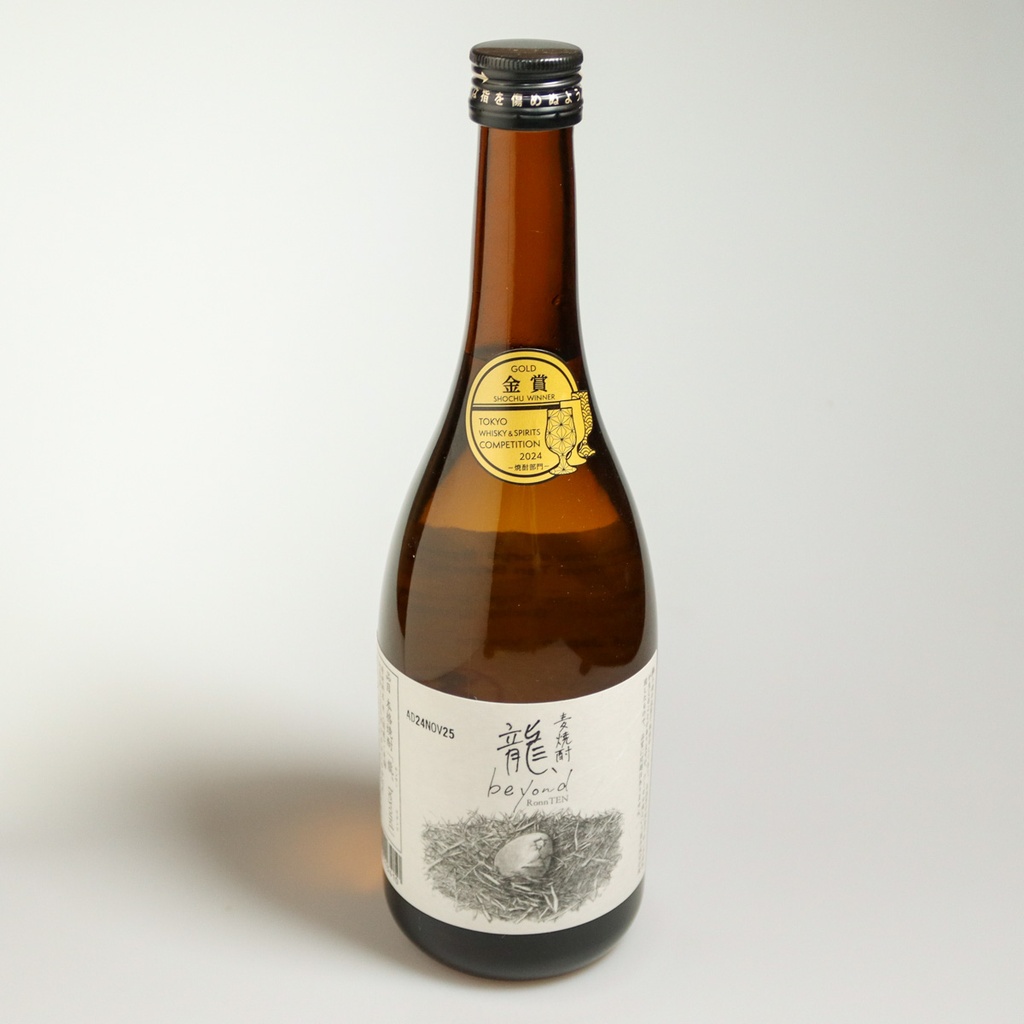
32.00 €
29.00 €
49.00 €
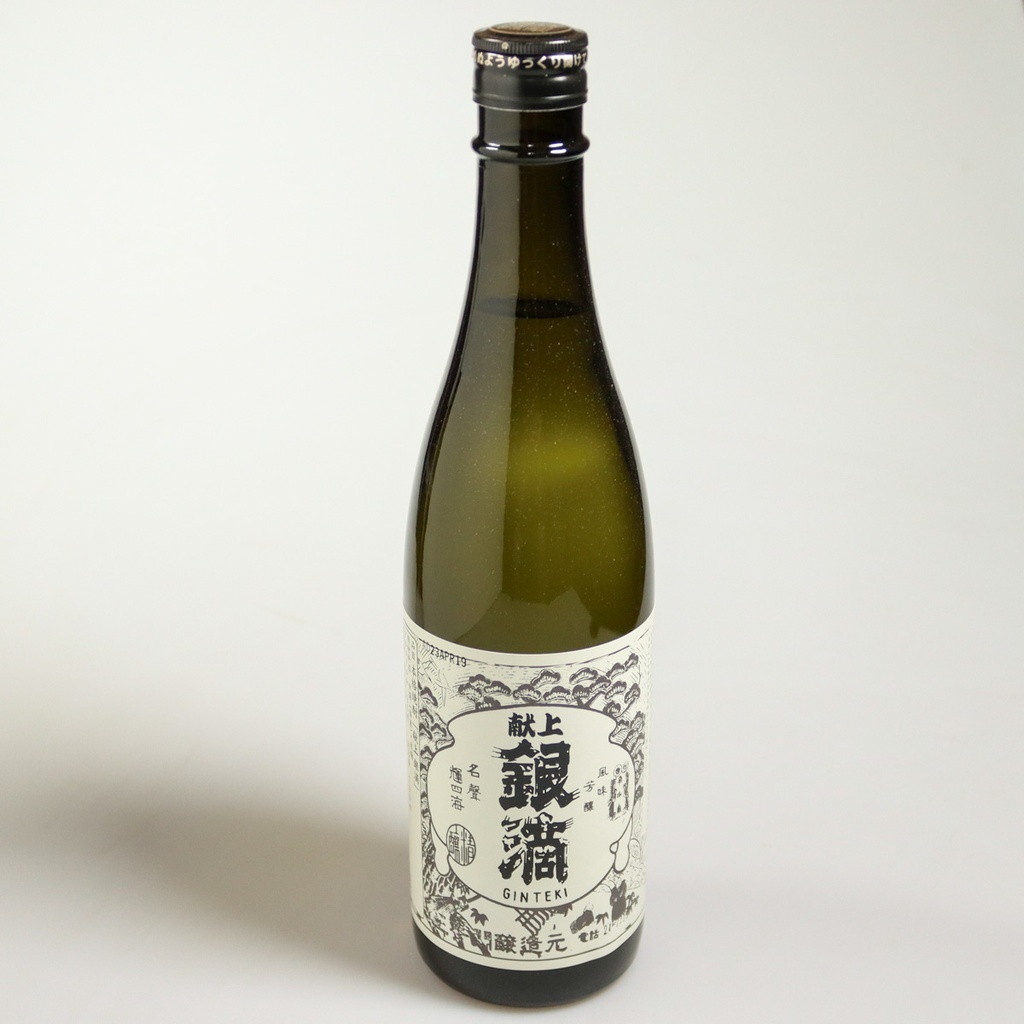
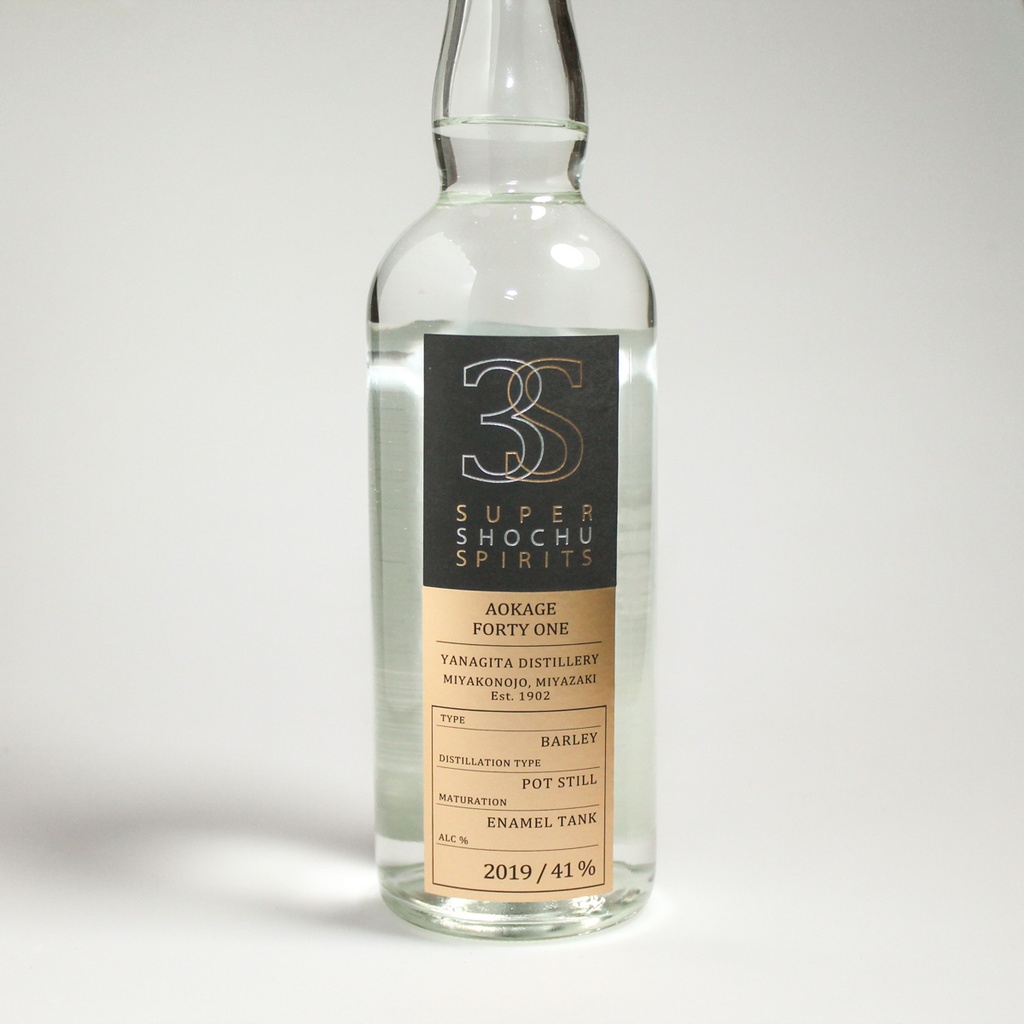
65.00 €
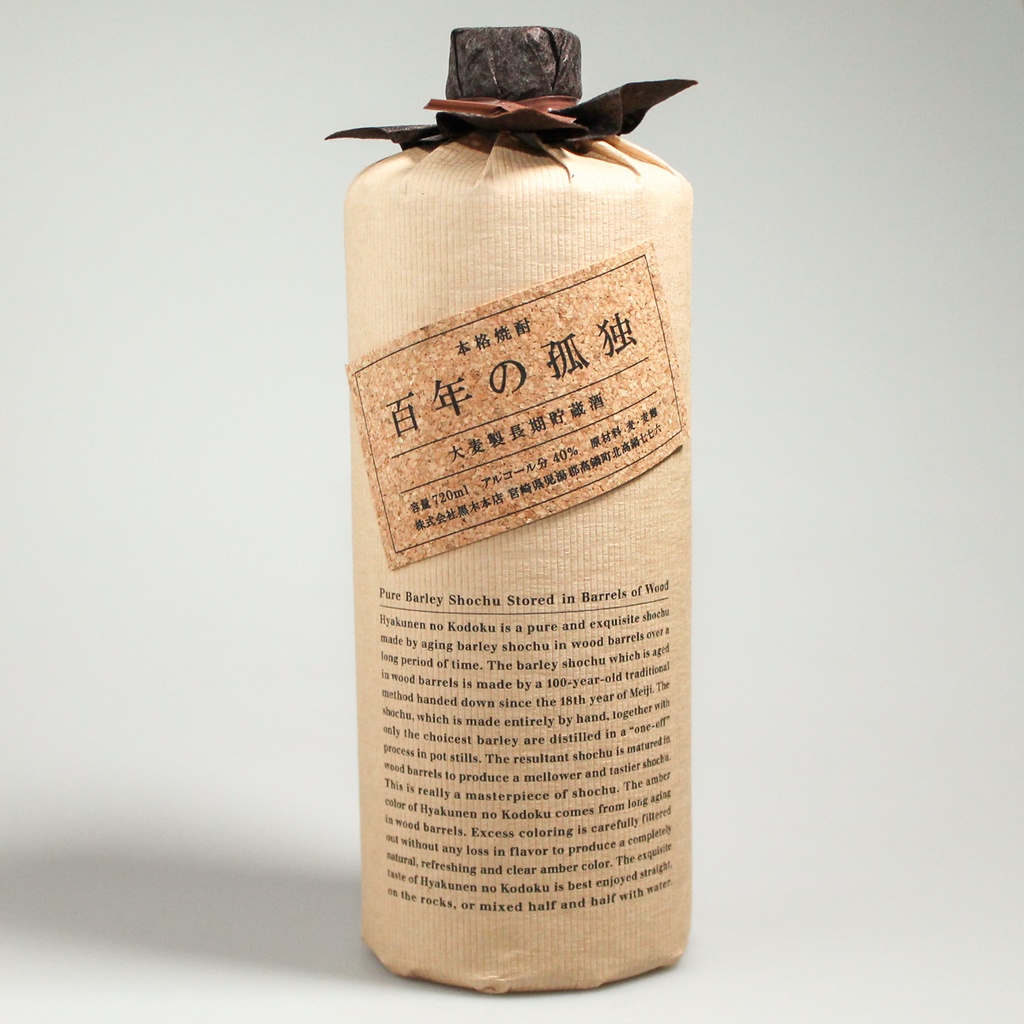
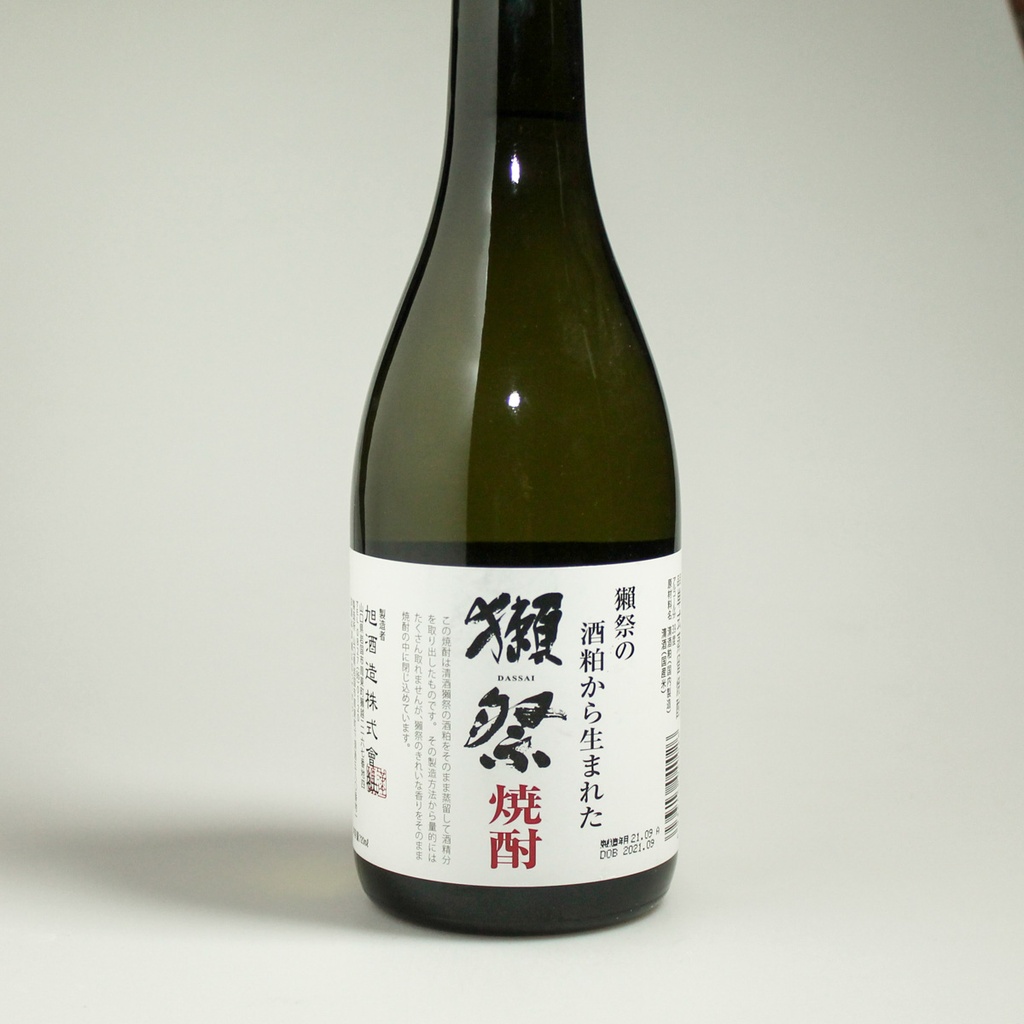
75.00 €
