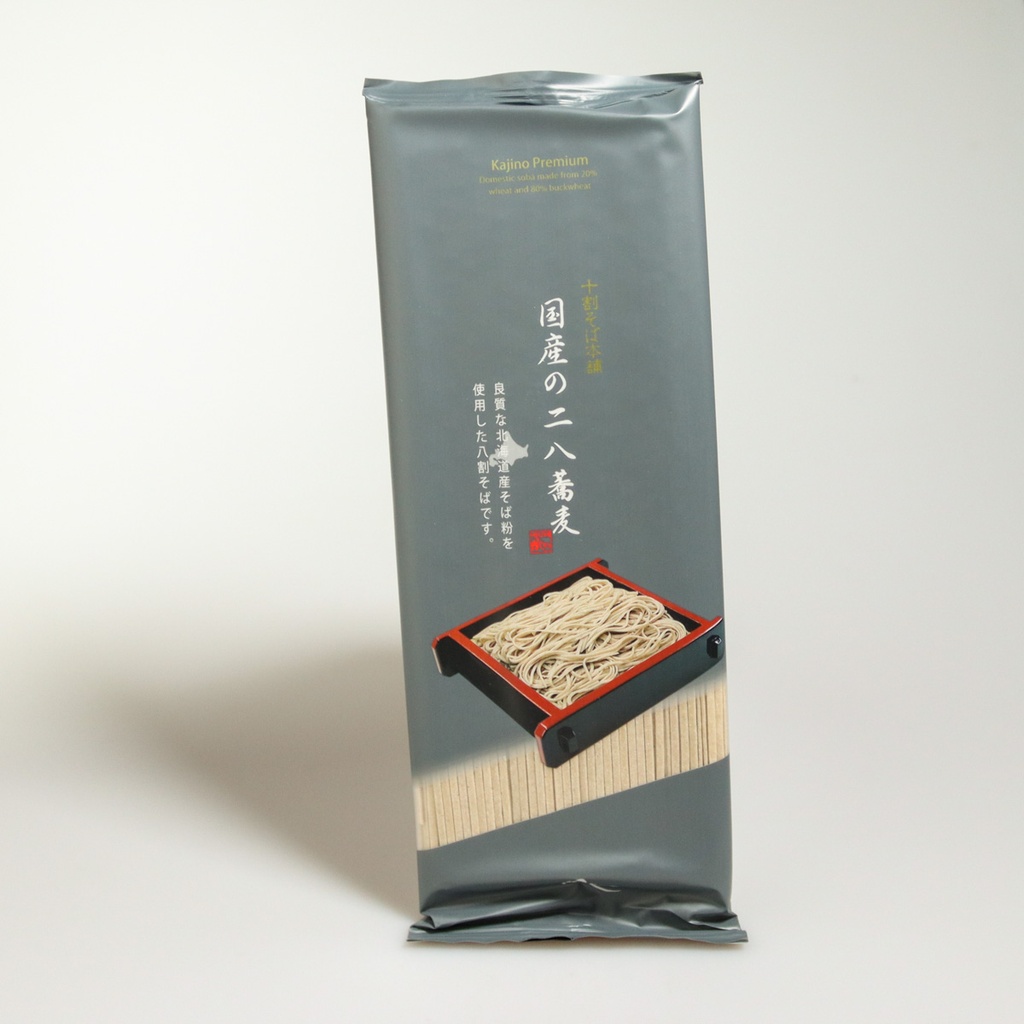
Soba
Nothing is easier than making wheat noodles: the flour soaked in water sticks easily because it is full of gluten. With buckwheat flour (the origin of soba), it’s another story: despite its name, buckwheat contains absolutely no gluten.
Working the flour to obtain a consistent dough therefore requires a lot of technique and patience. But after all, the game is worth the candle… Properly kneaded, this dough will yield noodles with a nutty flavor and a texture that is both firm and tender, which is called “soba” in Japan.
Soba and its many variations
There are many varieties of soba. The “towari soba” is made exclusively from buckwheat flour and water, but the “Nagano soba” contains varying amounts of wheat flour.
Some local variants add a bit of flour from local vegetables, particularly yam. There are also varieties with bright colors and trendy flavors that will make purists scream: with green tea, sakura petals, yuzu…
To be enjoyed hot or cold
Like their sisters in the trio of essential Japanese noodles (somen and udon), they can be served in a multitude of different ways. Hot first, with duck, sweet potato puree, fried meat croquettes…
But especially cold, in a dashi or a tsuyu, because a hot broth always softens the wonderful texture of well-cooked soba. To top it all off, these noodles are very low in calories (99 calories per 100 grams) and excellent for health: buckwheat is overflowing with proteins and antioxidants that promote cardiovascular health.
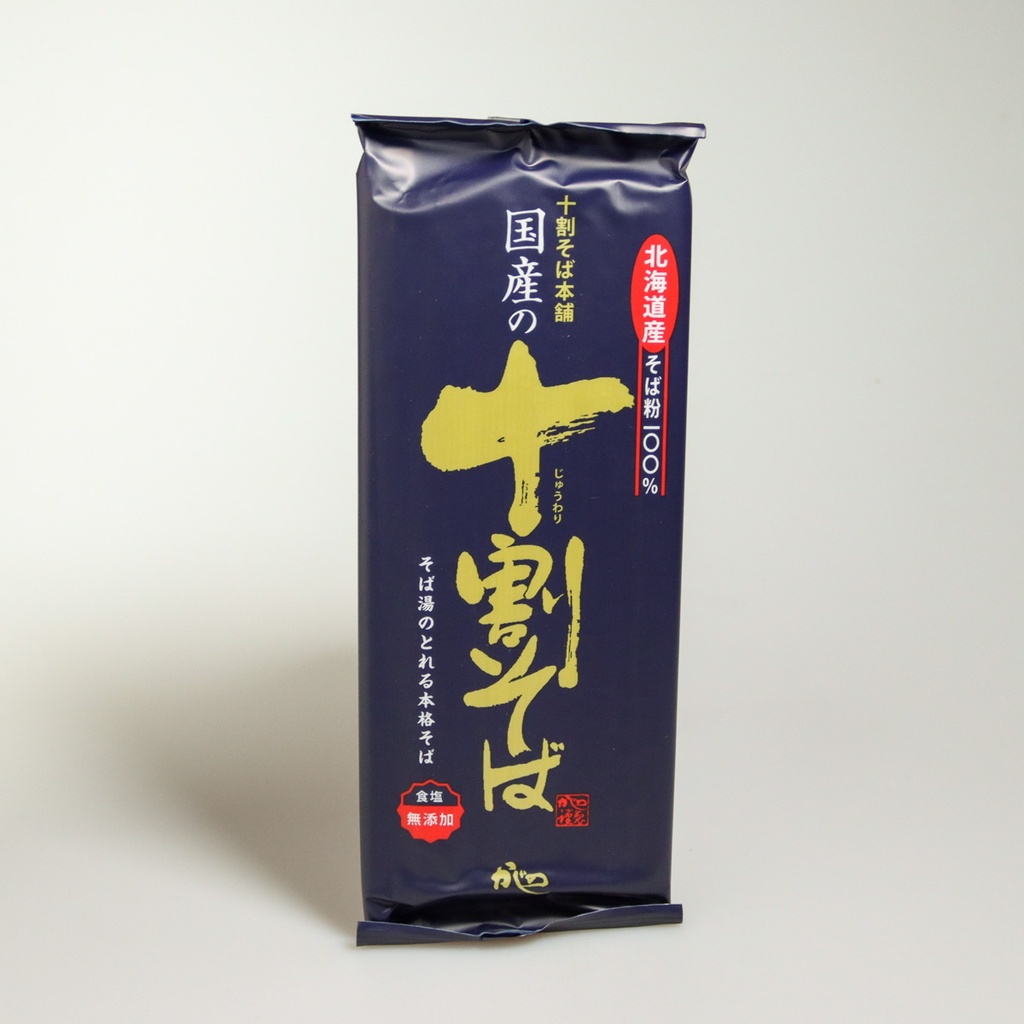
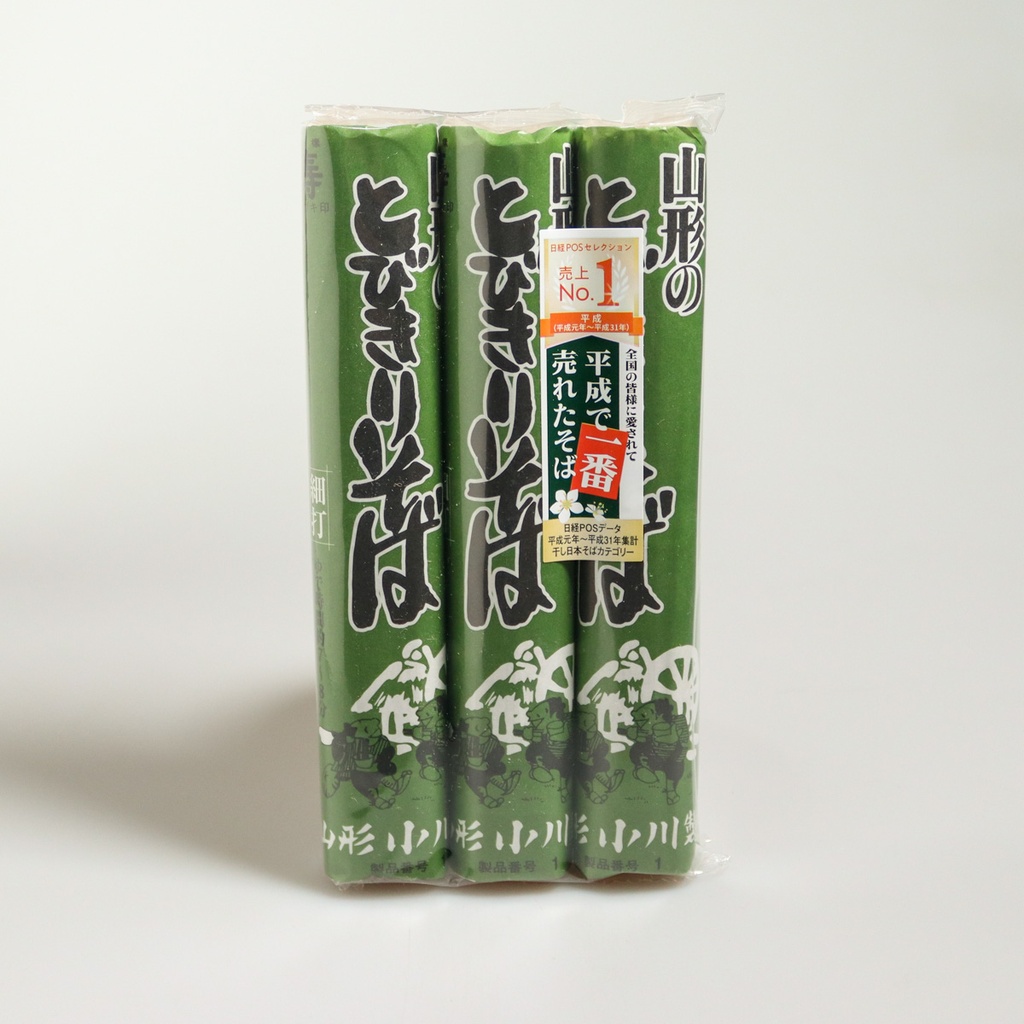
11.50 €
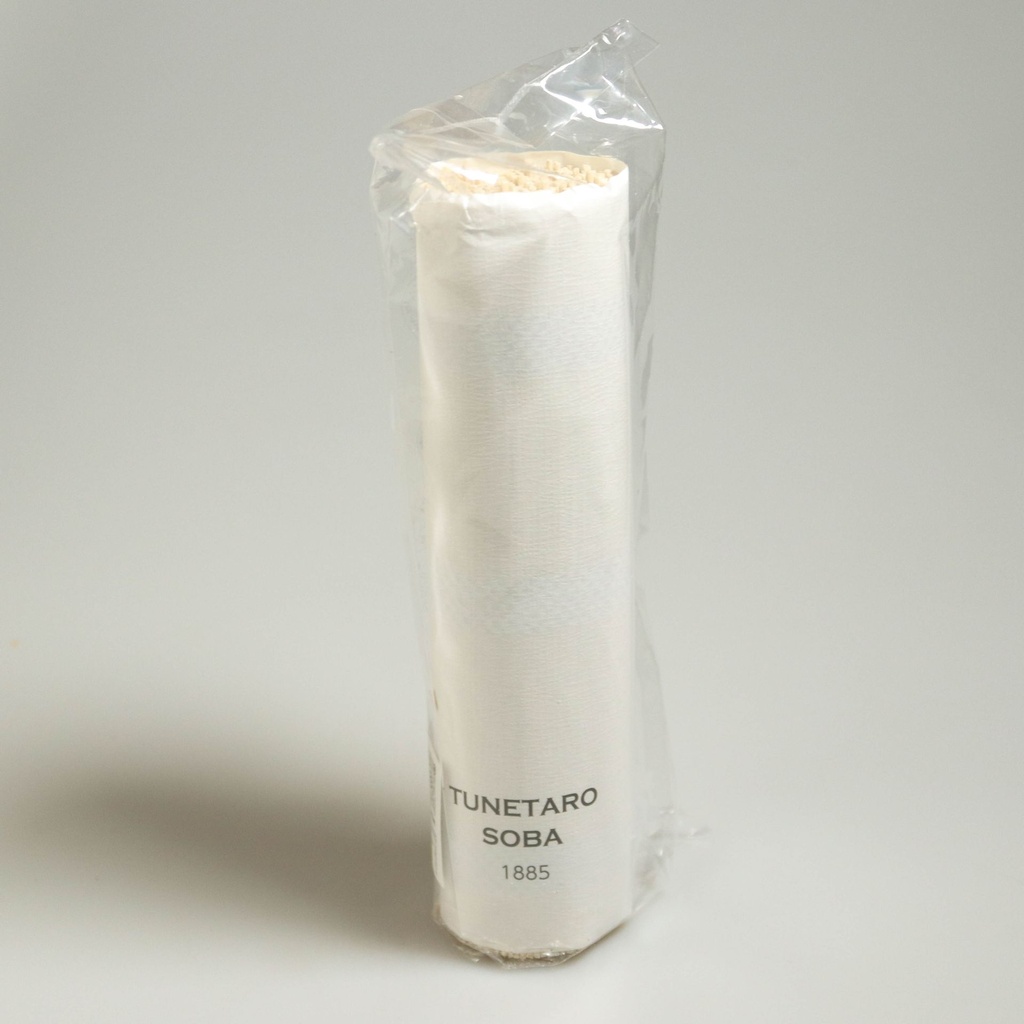
6.80 €
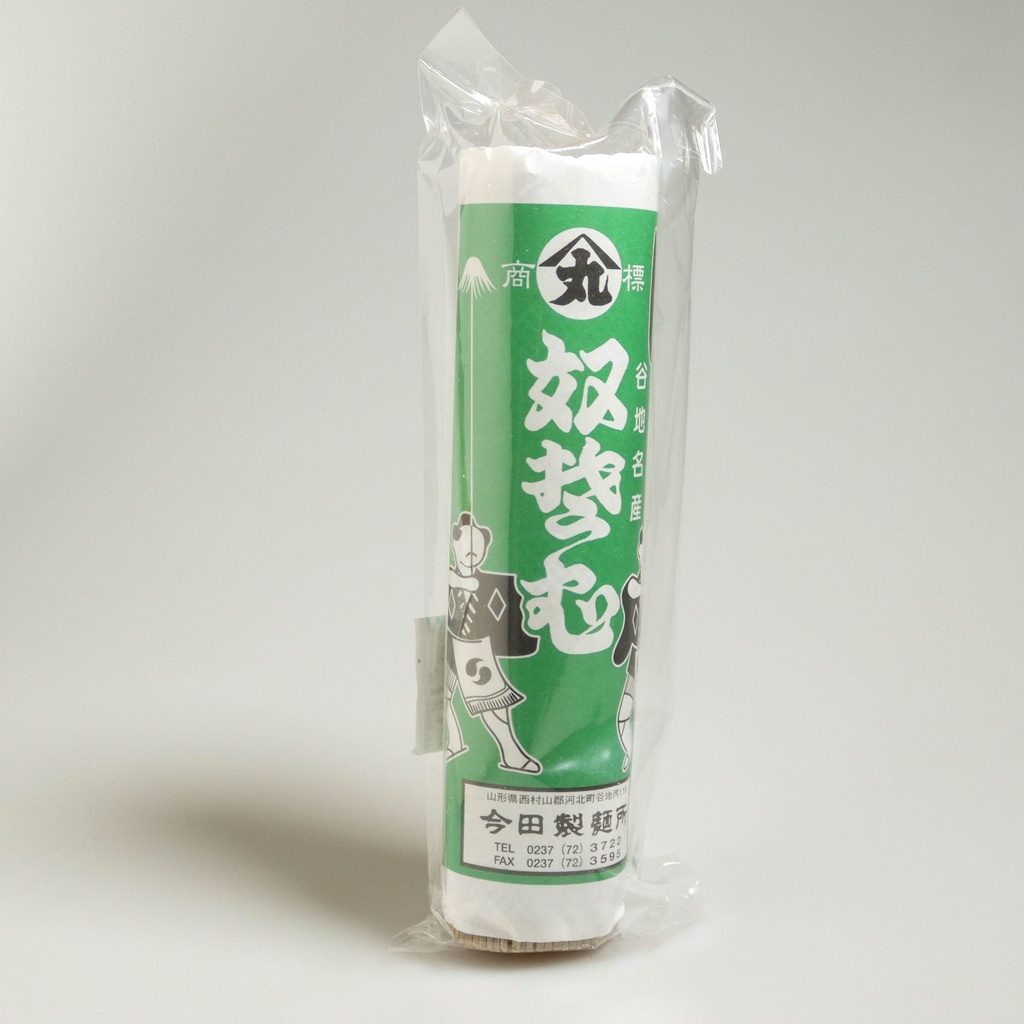
5.80 €

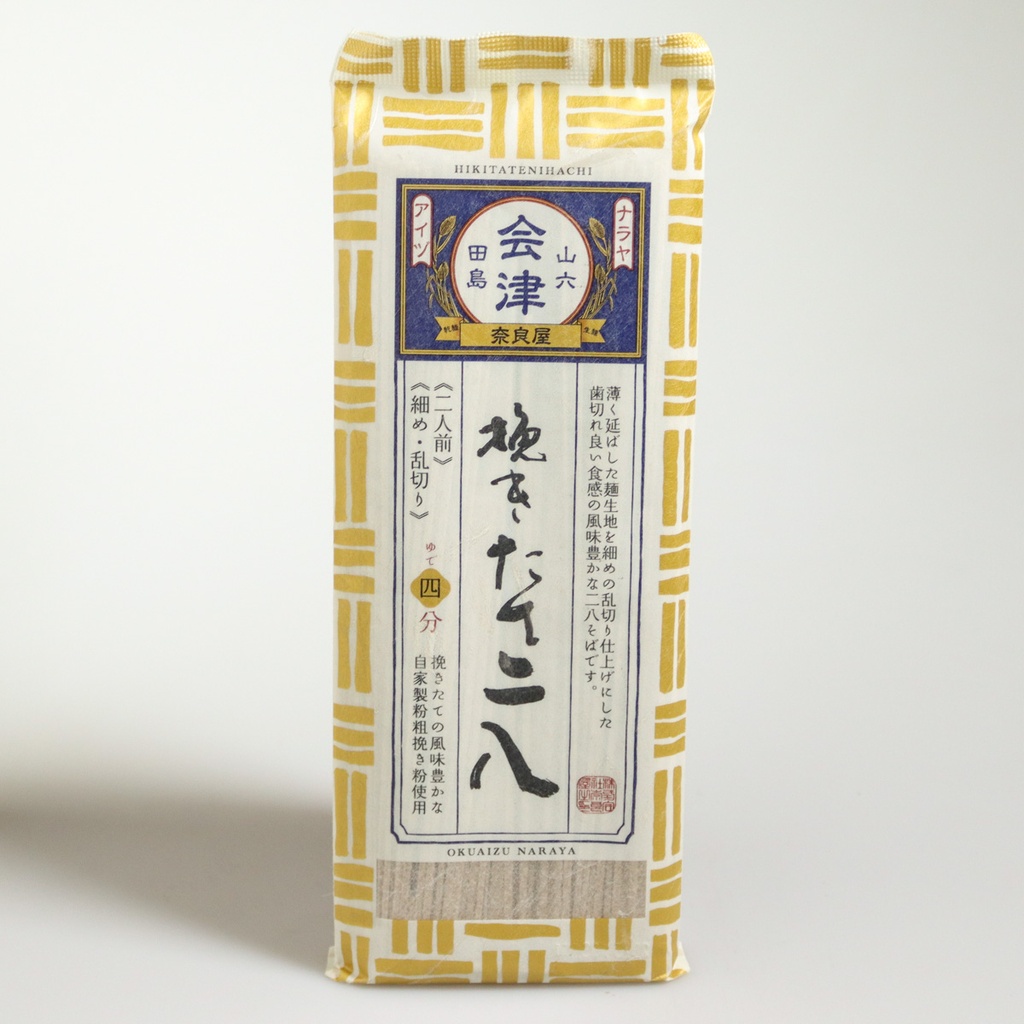
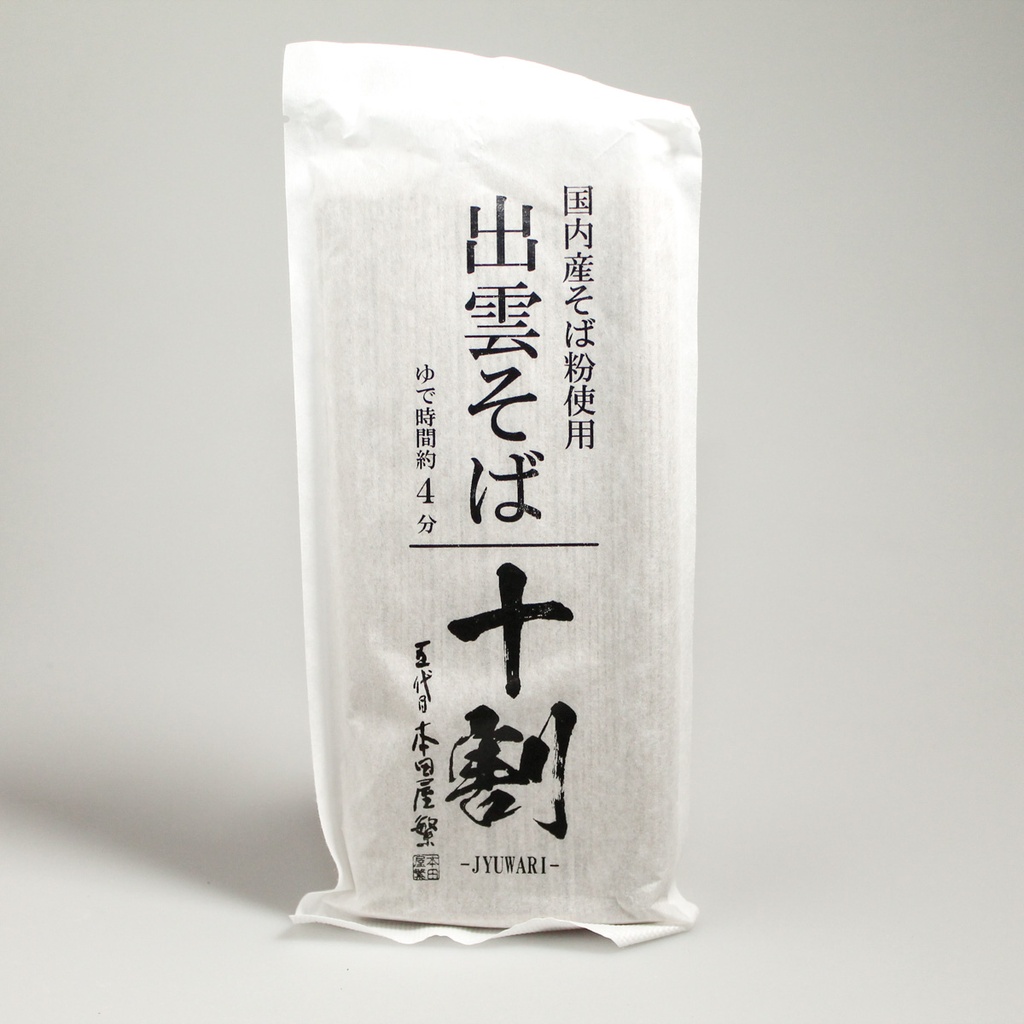
8.00 €
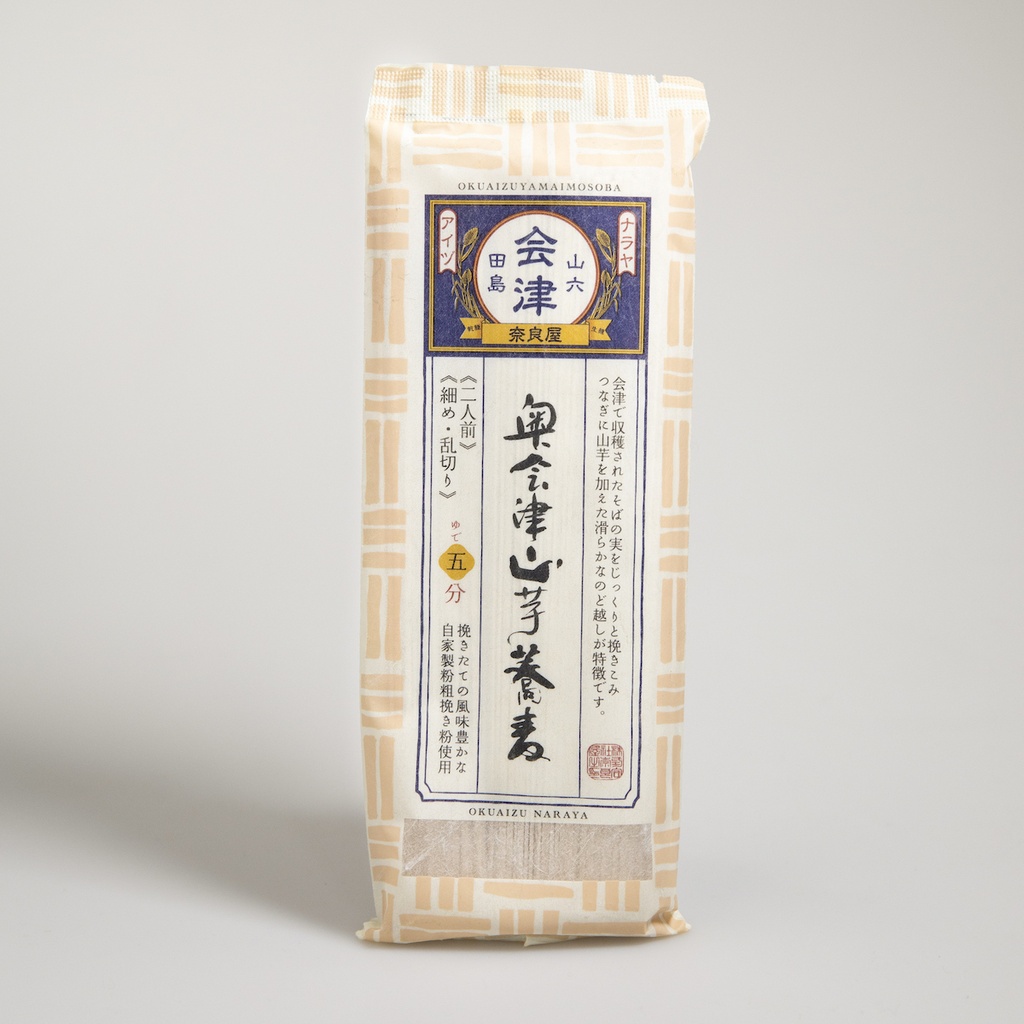
6.40 €
